
Wedding Planning Importance
Defining Your Vision and Budget
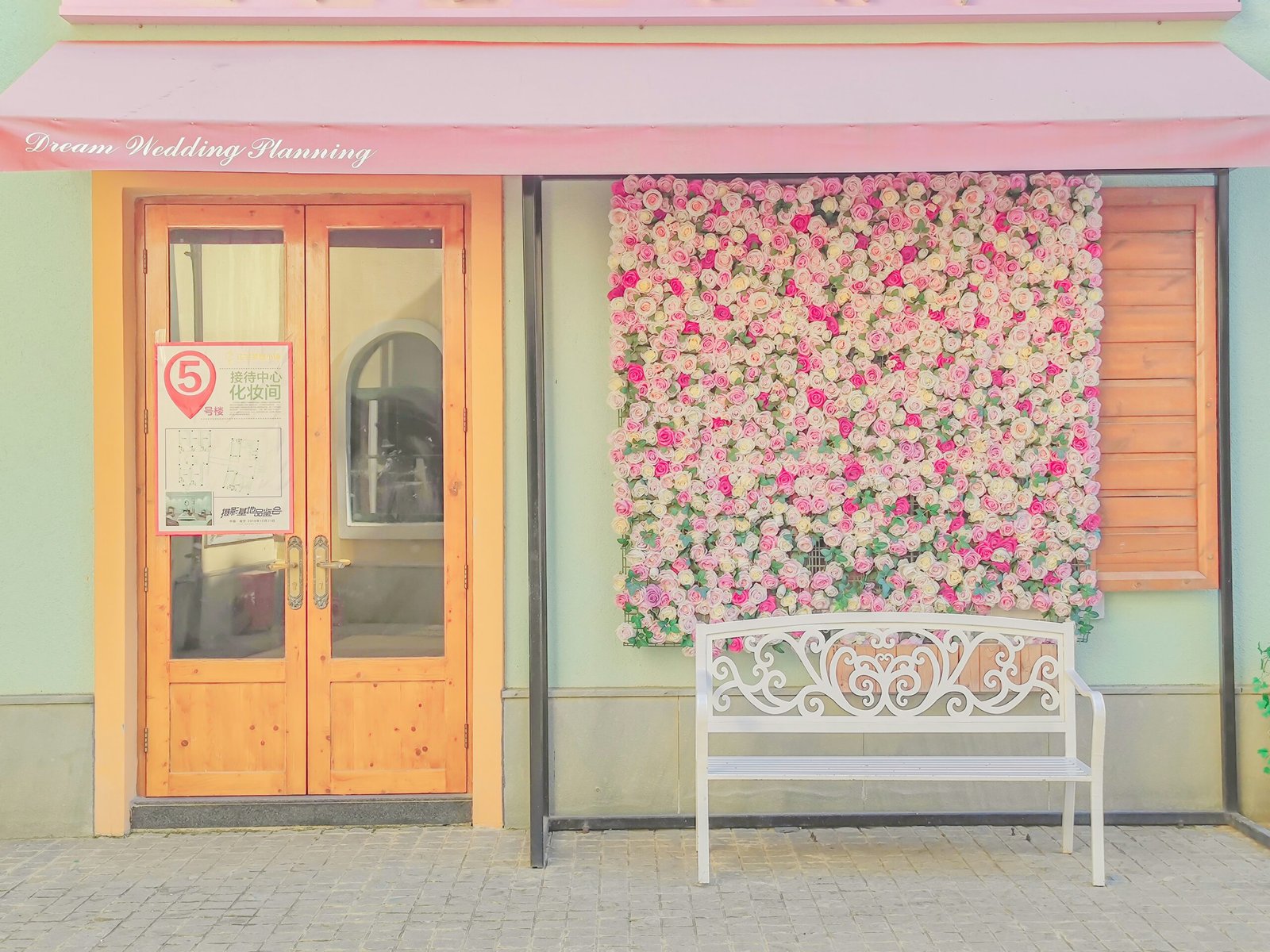
Planning a wedding begins with a crucial step: defining your vision. Establishing a clear concept of what you want your special day to represent is essential. Start by creating a vision board that reflects your personal style and preferences. Consider the atmosphere you aim to create—be it rustic charm, elegant sophistication, or a modern twist. An effective way to narrow down your style is to explore various sources of inspiration such as wedding magazines, blogs, and social media platforms. Collect images that resonate with you and take notes on colors, themes, and elements that appeal to you.
Once you have crafted a vision, it is equally important to set a realistic budget. Establishing a financial framework from the beginning helps to guide your planning process and prevent overspending. Discuss your budget openly with your partner, and consider involving family members who may contribute financially. It is beneficial to create a budget breakdown categorized by major expense areas, including the venue, catering, attire, decor, and entertainment. This approach allows you to see where your priorities lie and adjust accordingly.
As you outline your budget, consider researching average costs in your area and incorporating a flexible buffer to accommodate unexpected expenses. It is advisable to review each category periodically throughout the planning stages, as needs and desires may evolve. Ensure that you allocate funds equitably across various aspects of your wedding, aligning expenditures with your visual concept. Keeping the dialogue transparent can foster a sense of collaboration and ensure that both partners feel heard and valued in the planning process.
Choosing the Right Venue and Suppliers
Selecting the perfect venue for your wedding is a crucial first step in the planning process. The venue sets the tone for your celebration and will largely influence other aspects, such as guest count, decor, and catering. When considering a venue, start by assessing its location. Ideally, it should be convenient for your guests and reflect the essence of your wedding theme, whether it’s a grand ballroom, a rustic barn, or a beachside retreat.
Another important factor to evaluate is capacity. Your venue must comfortably accommodate your guest list while leaving room for movement and entertainment. It’s advisable to have a rough estimate of your guests when you visit potential venues; this will help you gauge whether the space fits your needs. Style is equally significant; the venue should align with your desired aesthetic and overall vibe—think about elements like lighting, architecture, and outdoor spaces.
Once you have chosen the venue, the next step involves selecting reliable suppliers to bring your vision to life. This includes caterers, florists, photographers, and entertainment providers. To find trustworthy vendors, start by seeking recommendations from friends, family, or wedding planners. Online reviews and wedding fairs can also expose you to various options.
When meeting with potential suppliers, maintain a checklist of essential questions. Inquire about their experience, availability, pricing, and the range of services they provide. Requesting samples or portfolios can also offer insights into their work quality. Remember to hasten your booking process once you find suitable vendors, as desirable suppliers tend to get booked quickly, especially during peak wedding seasons.
Creating a Timeline and Staying Organized
Effective wedding planning necessitates a well-structured timeline to ensure that every aspect of the celebration is executed seamlessly. One of the first steps is to establish key milestones that act as checkpoints throughout the planning process. Key milestones typically include sending out invitations, confirming the guest list, finalizing vendor arrangements, and coordinating logistics for the wedding day. This structured approach not only reduces overwhelm but also keeps all parties informed and engaged.
Utilizing wedding planning tools and apps can significantly aid in this organization. Various platforms offer comprehensive features that allow couples to track timelines, budget management, and guest RSVPs effortlessly. These digital apps can send reminders for each milestone, keeping the couple on track and alleviating the mental burden of remembering every detail. Alternatively, creating a spreadsheet remains a popular method, enabling customization according to individual preferences. Spreadsheets can effectively outline all tasks, deadlines, and responsible parties, ensuring accountability among family members and friends helping with the planning.
It is also essential to prepare for last-minute changes, which are commonplace in wedding planning. One practical tip is to remain flexible and open-minded about adjustments, understanding that unexpected situations may arise. Establishing a ‘Plan B’ for key elements, such as outdoor venues in case of inclement weather, can reduce stress significantly. Communicating with vendors about potential changes ahead of time and confirming each element leading up to the day can foster a collaborative environment. This proactive approach will contribute to a more organized and enjoyable wedding planning experience, making the day memorable for all involved.
Personalizing Your Wedding Experience
When planning a wedding, personalizing the experience is essential to create a memorable occasion that reflects the couple’s unique story and values. One of the most significant ways to infuse personalization is through custom vows. Going beyond traditional phrases, couples can write their own vows, weaving in shared memories, future aspirations, and heartfelt sentiments. This practice not only deepens the emotional connection during the ceremony but also makes the vows truly representative of the couple’s journey together.
Additionally, selecting music that defines the couple’s relationship can enhance the wedding’s atmosphere. Whether it’s the song that played during their first date or a tune that resonates with shared experiences, incorporating meaningful music will evoke cherished memories and create a delightful ambiance. Couples may choose to compile playlists that feature their favorite artists or hire a live band that specializes in their genre, further personalizing the musical experience during the ceremony and reception.
Incorporating traditions that hold significance to the couple can also add depth to the wedding ceremony. This may involve rituals from their cultural backgrounds or family customs, providing a way to honor their heritage and create a unique wedding ceremony that resonates with their identity. Furthermore, thoughtful decor that showcases the couple’s personality—such as personalized centerpieces, meaningful quotes displayed elegantly, or a photo collage highlighting significant moments—invites guests to connect with the couple’s story.
Lastly, including personalized wedding favors is a wonderful way to share a piece of the couple’s narrative with their guests. Consider favors that reflect the couple’s hobbies, travel experiences, or favorite treats. For example, if the couple loves to travel, miniature globes could serve as delightful tokens. By integrating these personal touches, couples ensure that their wedding day becomes a cherished reflection of their unique journey together, leaving a lasting impression on their guests.
